“I have seen 35-year-olds with "perfect" cholesterol reports drop dead of heart attacks. When we look deeper — high Lp(a), elevated hs-CRP — the warning signs were there all along.”
— Truemark Health Editorial Team, Medically Reviewed by NABL-Certified Professionals
Why Standard Cholesterol Testing Is Not Enough
Cardiovascular disease is the leading cause of death in India — 28% of all deaths. 50% of heart attacks in Indians occur before age 50. A decade earlier than in Western populations.
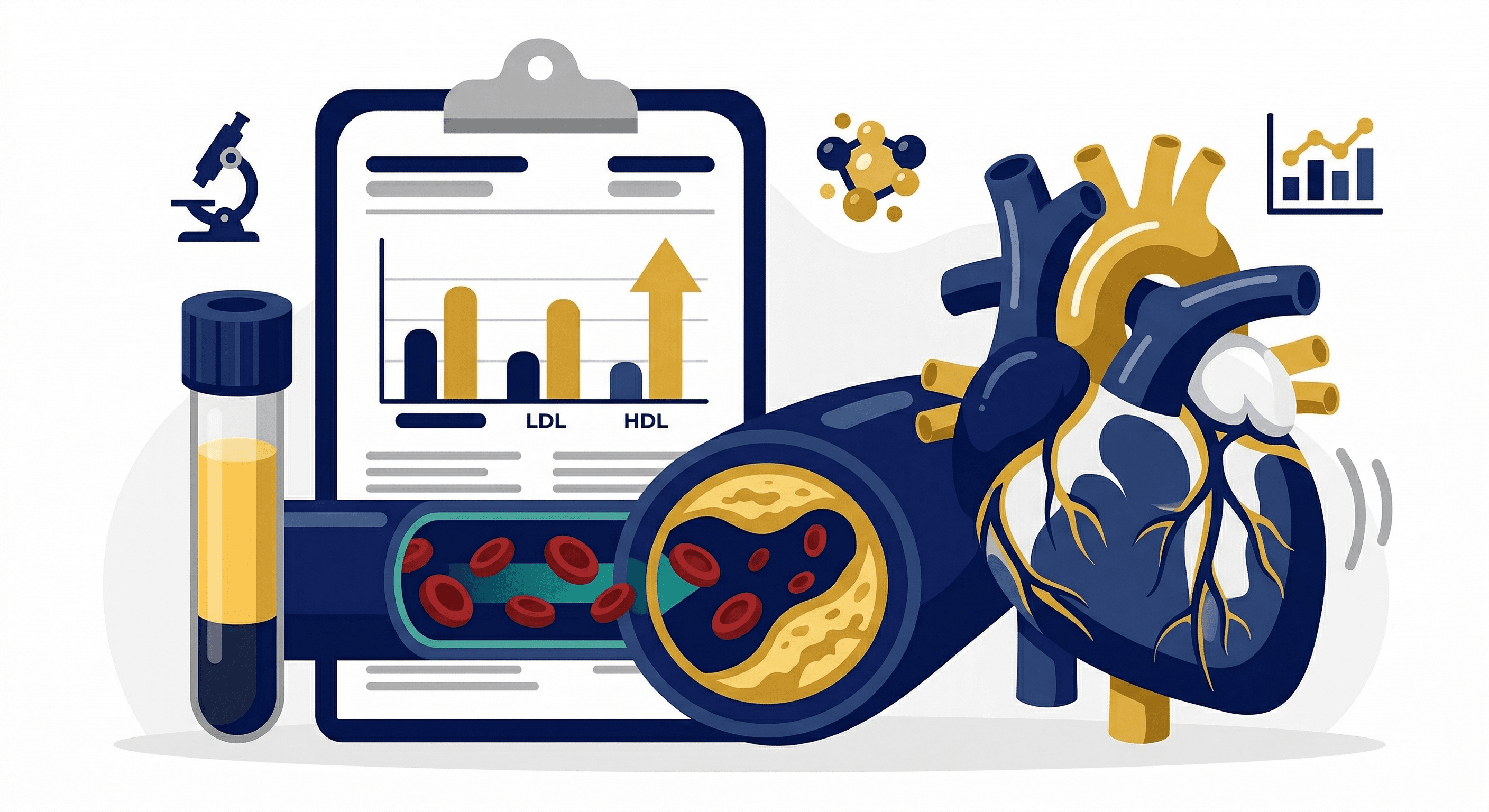
Traditional lipid profiling misses a significant portion of at-risk individuals. Nearly 50% of heart attack patients had "normal" LDL cholesterol.
Advanced cardiac biomarkers can identify hidden risk factors. For Indians, who have a genetic predisposition to coronary artery disease, these tests are especially valuable.
Advanced Cardiac Biomarkers
hs-CRP (High-Sensitivity C-Reactive Protein) measures vascular inflammation. Low risk: <1 mg/L, moderate: 1–3 mg/L, high risk: >3 mg/L. It adds independent predictive value beyond cholesterol.
Lipoprotein(a) or Lp(a) is a genetically determined risk factor affecting 20% of the population. Levels above 50 mg/dL significantly increase heart attack risk. It cannot be lowered by diet or statins.
Homocysteine above 15 μmol/L damages blood vessel walls. It is treatable with B vitamins. Apolipoprotein B (ApoB) is increasingly recognized as a better predictor than LDL cholesterol.
The South Asian Cardiac Risk Profile
South Asians have a unique cardiovascular risk profile: higher insulin resistance, high triglycerides with low HDL, higher Lp(a) levels, and central obesity even at normal BMI.
Standard risk calculators underestimate risk in Indians. Indian cardiologists recommend South Asian-specific risk assessment.
The concept of "metabolically unhealthy normal weight" is particularly relevant — many Indians have normal BMI but unhealthy metabolic profiles. Blood tests are more important than weight alone.
Building Your Cardiac Risk Panel
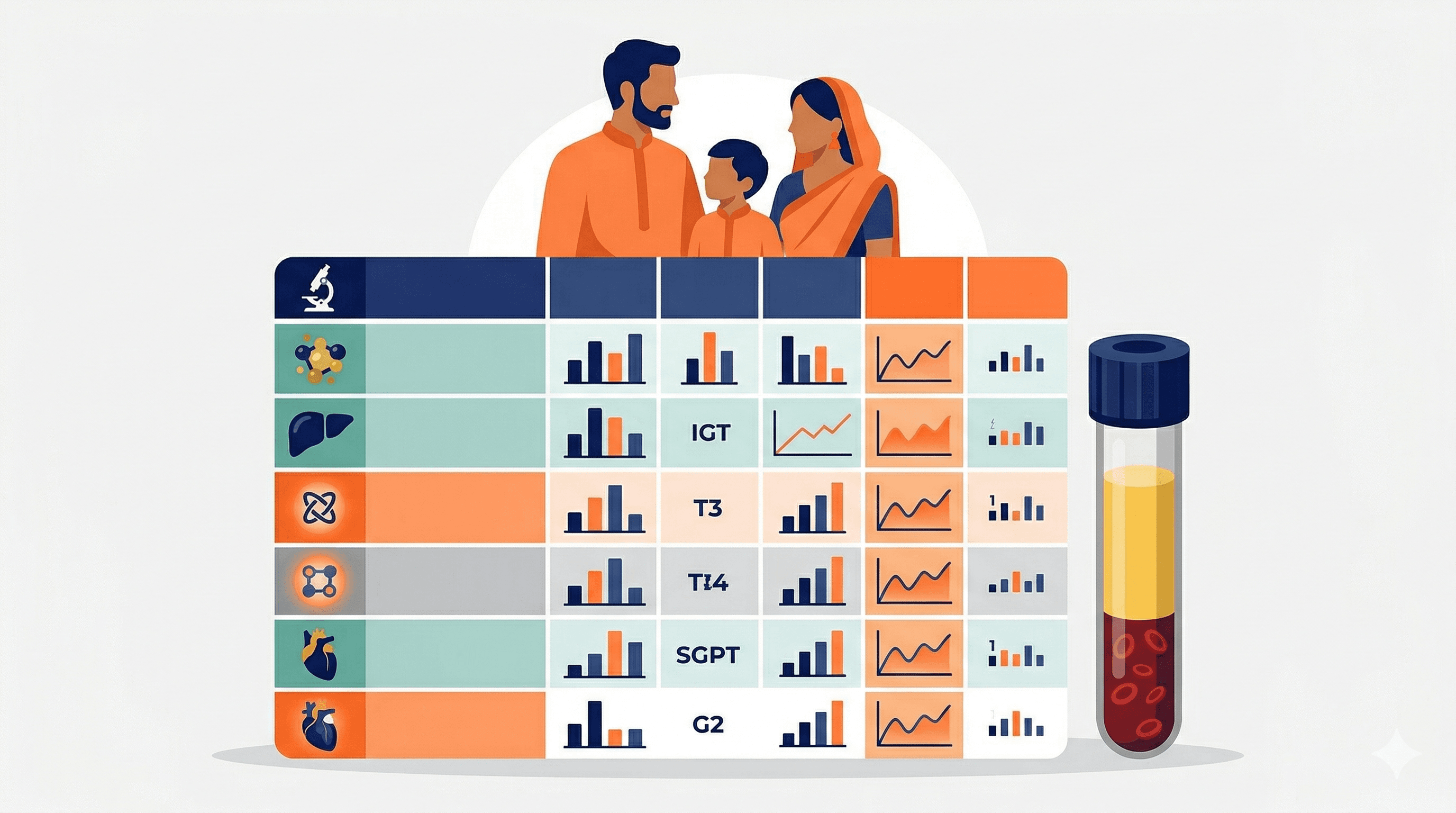
Recommended panel: Standard lipid profile, hs-CRP, Lp(a) (test once — genetically fixed), ApoB, homocysteine, HbA1c, and fasting insulin.
Additional tests: ECG (baseline at age 40), TMT/stress test if symptomatic, Coronary Calcium Score (CT-based), and Echocardiogram if structural disease suspected.
Frequency: Standard lipid profile annually. hs-CRP annually if elevated. Lp(a) once in a lifetime. ApoB and homocysteine every 2–3 years.
Frequently Asked Questions
My cholesterol is normal. Can I still have a heart attack?
What is the most important heart test beyond cholesterol?
Why do Indians get heart disease earlier?
Can heart disease risk be reduced?

Truemark Health Editorial Team
Medically Reviewed by NABL-Certified Professionals
The Truemark Health Editorial Team produces evidence-based health content reviewed against current clinical guidelines, ICMR standards, and peer-reviewed research. Every article is vetted for medical accuracy before publication.
View Medical Review Board →