“I created this reference guide because too many patients panic over minor variations in their reports. Understanding normal ranges empowers you to have informed conversations with your doctor. Bookmark this page — you will use it every time you get a blood test.”
— Truemark Health Editorial Team, Medically Reviewed by NABL-Certified Professionals
Why You Need a Blood Test Normal Range Reference
Understanding your blood test results starts with knowing what the normal ranges are. Every lab report lists reference ranges, but patients often find them confusing — especially when different labs use slightly different values.
This guide compiles the standard reference intervals used by NABL-accredited laboratories across India. It covers over 50 commonly tested parameters across hematology, biochemistry, endocrinology, and immunology.
Bookmark this page as your go-to reference whenever you receive a blood test report. We have organized parameters by organ system for easy navigation.
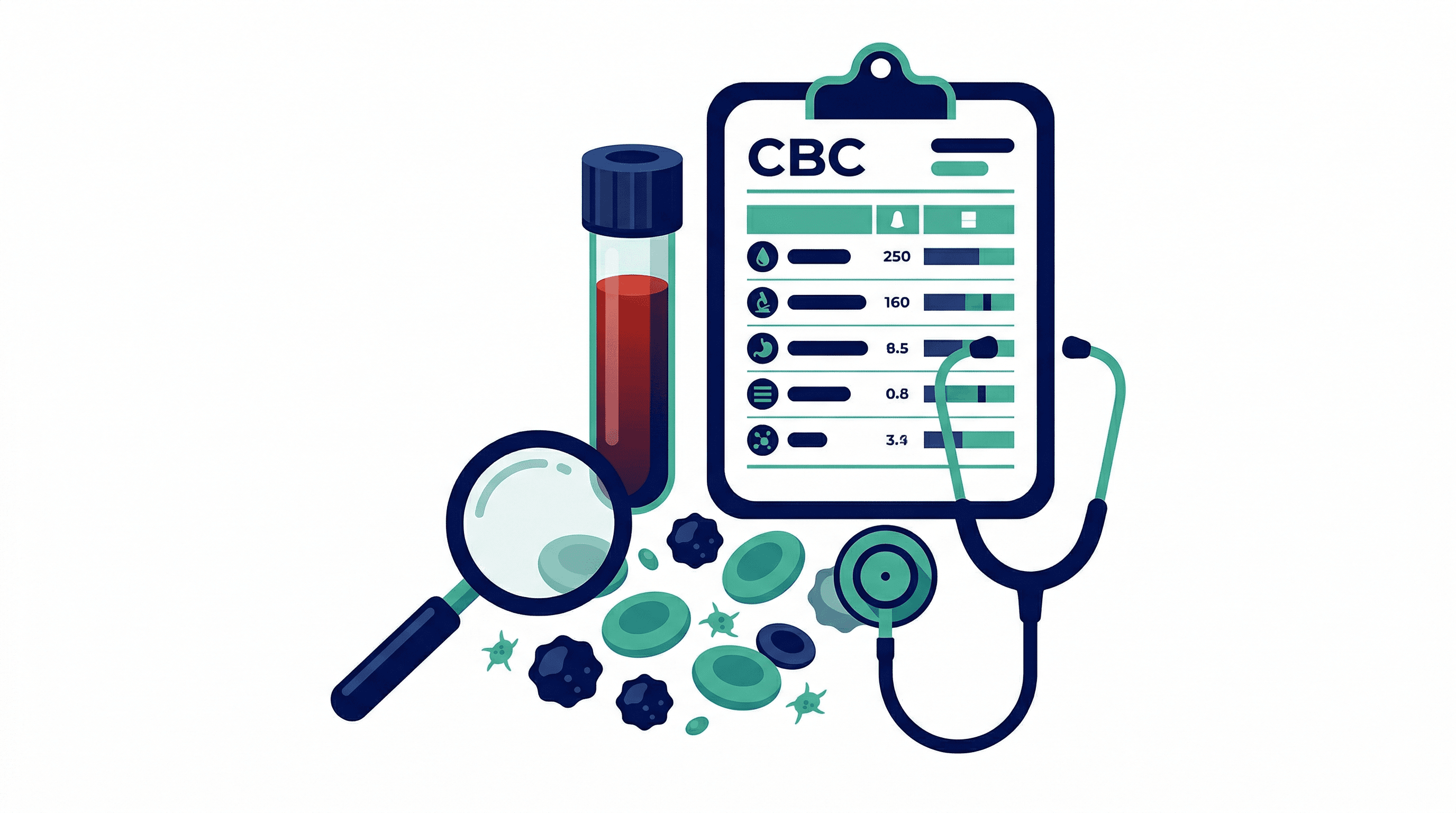
Complete Blood Count (CBC) Normal Ranges
The CBC is the most frequently ordered blood test. It evaluates your red blood cells (oxygen carriers), white blood cells (immune system), and platelets (clotting). Hemoglobin is the most critical parameter — in India, anemia is endemic with over 50% of women having low hemoglobin.
Key CBC values: Hemoglobin (Men: 13–17 g/dL, Women: 12–15.5 g/dL), Total WBC (4,000–11,000/μL), Platelet Count (1.5–4.0 lakh/μL). RBC indices like MCV, MCH, and MCHC help classify the type of anemia when present.
The WBC differential (neutrophils, lymphocytes, monocytes, eosinophils, basophils) provides insight into whether an infection is bacterial or viral and can flag allergic conditions or parasitic infections.
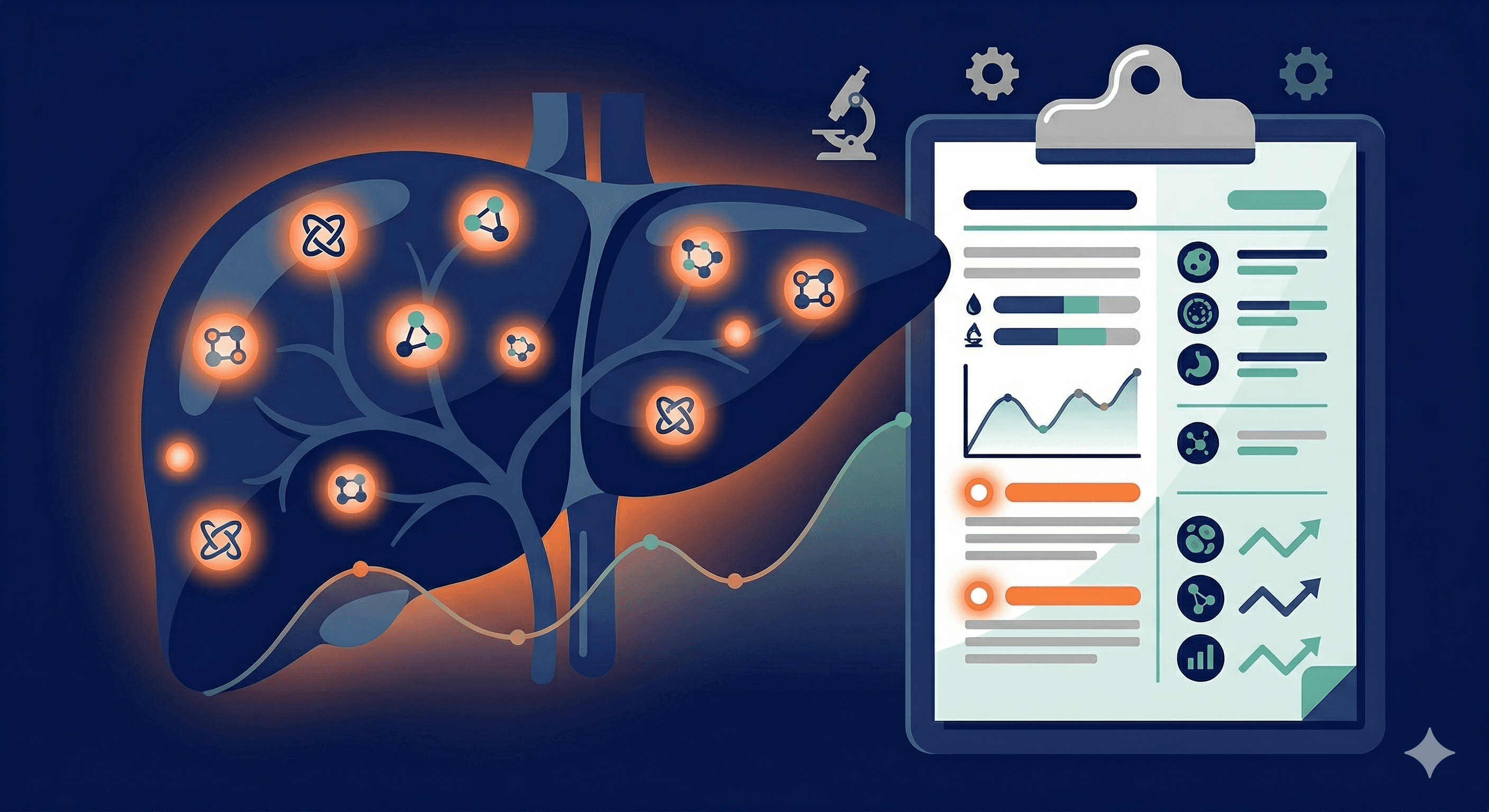
Liver Function Test (LFT) Normal Ranges
The liver performs over 500 functions and liver disease often remains silent until advanced stages. LFT parameters include enzymes that leak from damaged liver cells and proteins that reflect the liver's synthetic capacity.
SGPT/ALT (7–56 U/L) is the most specific liver enzyme. SGOT/AST (10–40 U/L) is less specific as it is also present in heart and muscle. ALP (44–147 U/L) and GGT (9–48 U/L) help identify bile duct problems.
Bilirubin (Total: 0.1–1.2 mg/dL) causes jaundice when elevated. Albumin (3.5–5.5 g/dL) is a key marker of liver synthetic function — low albumin suggests chronic liver disease or malnutrition.
Kidney Function Test (KFT) Normal Ranges
The kidneys filter 180 liters of blood daily. Kidney function tests measure waste products that the kidneys should be clearing and electrolytes that the kidneys help regulate.
Serum Creatinine (Men: 0.7–1.3 mg/dL, Women: 0.6–1.1 mg/dL) is the primary kidney marker. Blood Urea Nitrogen/BUN (7–20 mg/dL) and Blood Urea (15–40 mg/dL) are also important. The eGFR (estimated Glomerular Filtration Rate) above 90 mL/min is normal; below 60 suggests chronic kidney disease.
Electrolytes — Sodium (136–145 mEq/L), Potassium (3.5–5.0 mEq/L), Chloride (98–106 mEq/L), and Calcium (8.5–10.5 mg/dL) — are essential for nerve and muscle function. Uric Acid (Men: 3.4–7.0, Women: 2.4–6.0 mg/dL) elevation can cause gout.
Thyroid, Diabetes, and Lipid Normal Ranges
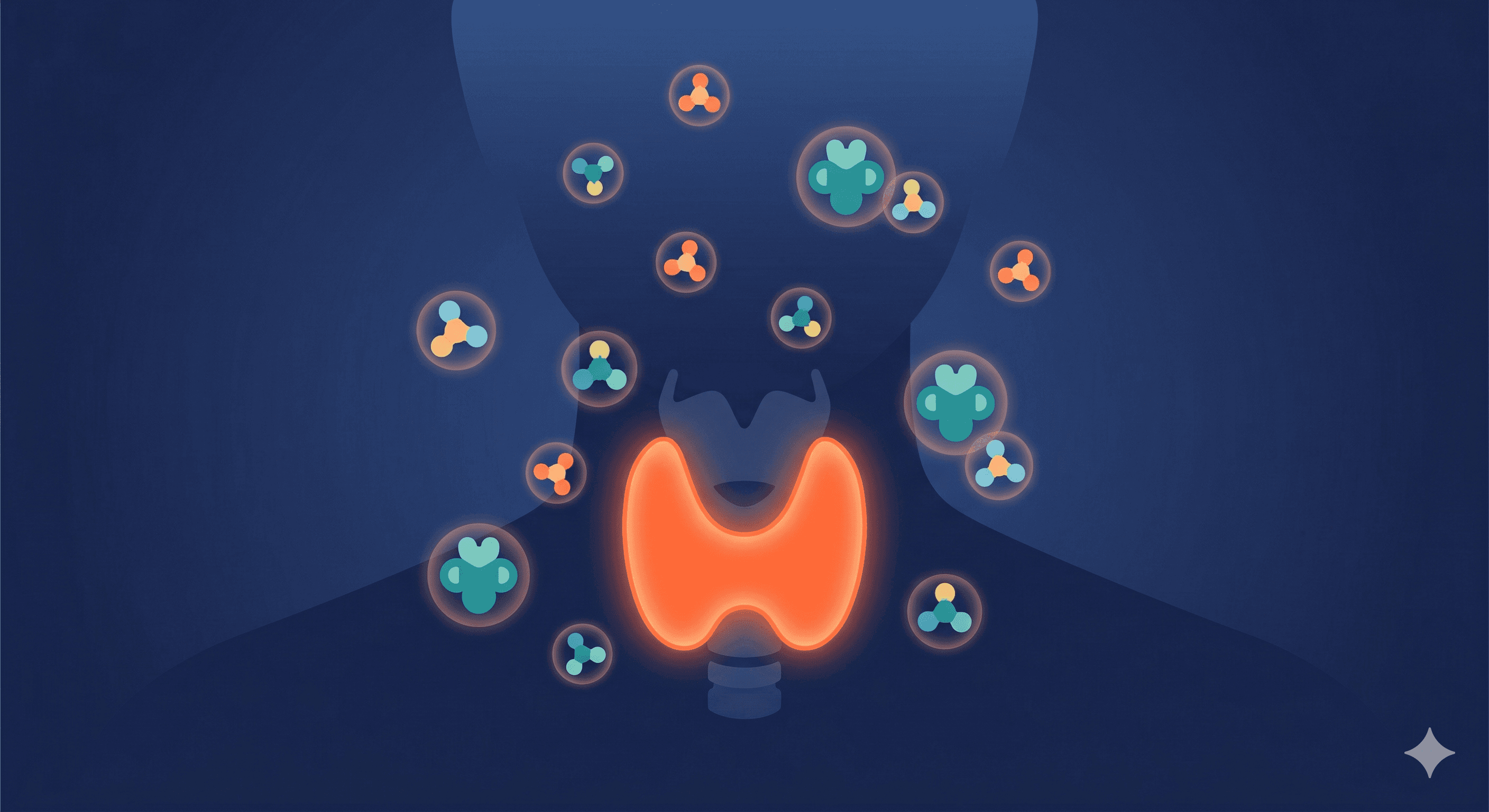
Thyroid: TSH (0.4–4.0 mIU/L), Free T4 (0.8–1.8 ng/dL), Free T3 (2.3–4.2 pg/mL). TSH is the most sensitive thyroid marker — elevated TSH with normal T3/T4 is subclinical hypothyroidism.
Diabetes: Fasting Glucose (70–100 mg/dL), Post-Prandial Glucose (<140 mg/dL after 2 hours), HbA1c (<5.7% normal, 5.7–6.4% pre-diabetes, ≥6.5% diabetes). Fasting Insulin (2.6–24.9 μIU/mL) and HOMA-IR help assess insulin resistance.
Lipid Profile: Total Cholesterol (<200 mg/dL), LDL (<100 mg/dL optimal), HDL (Men >40, Women >50 mg/dL), Triglycerides (<150 mg/dL). The TC/HDL ratio below 4.5 is ideal for cardiovascular risk assessment.
Vitamins, Iron, and Other Important Parameters
Vitamin D (30–100 ng/mL) deficiency is epidemic in India — studies show 70–90% of Indians are deficient despite abundant sunlight. Vitamin B12 (200–900 pg/mL) deficiency is common among vegetarians.
Iron Studies: Serum Iron (Men: 65–175, Women: 50–170 μg/dL), Ferritin (Men: 20–250, Women: 10–120 ng/mL), TIBC (250–370 μg/dL), Transferrin Saturation (20–50%). Ferritin is the best single test for iron stores.
Other important parameters: ESR (Men: 0–15, Women: 0–20 mm/hr), CRP (<6 mg/L), HsCRP (<1 mg/L low risk, 1–3 moderate, >3 high cardiovascular risk). Serum Protein Electrophoresis and immunoglobulin levels help evaluate immune function.
Normal Range Reference Table
| Parameter | Normal Range | Unit | High Indicates | Low Indicates |
|---|---|---|---|---|
| Hemoglobin (Male) | 13.0–17.0 | g/dL | Polycythemia | Anemia |
| Hemoglobin (Female) | 12.0–15.5 | g/dL | Polycythemia | Anemia |
| Total WBC | 4,000–11,000 | /μL | Infection | Immunosuppression |
| Platelet Count | 1,50,000–4,00,000 | /μL | Thrombocytosis | Dengue, ITP |
| RBC Count (Male) | 4.5–5.5 | million/μL | — | — |
| RBC Count (Female) | 4.0–5.0 | million/μL | — | — |
| MCV | 80–100 | fL | — | — |
| MCH | 27–33 | pg | — | — |
| MCHC | 32–36 | g/dL | — | — |
| ESR (Male) | 0–15 | mm/hr | Inflammation | — |
| ESR (Female) | 0–20 | mm/hr | Inflammation | — |
| SGPT (ALT) | 7–56 | U/L | Liver damage | — |
| SGOT (AST) | 10–40 | U/L | Liver/muscle damage | — |
| ALP | 44–147 | U/L | Bile duct/bone disease | — |
| GGT | 9–48 | U/L | Alcohol/bile duct | — |
| Total Bilirubin | 0.1–1.2 | mg/dL | Jaundice | — |
| Direct Bilirubin | 0.0–0.3 | mg/dL | — | — |
| Total Protein | 6.0–8.3 | g/dL | — | — |
| Albumin | 3.5–5.5 | g/dL | — | Liver/kidney disease |
| Globulin | 2.0–3.5 | g/dL | — | — |
| A/G Ratio | 1.1–2.5 | ratio | — | — |
| Creatinine (Male) | 0.7–1.3 | mg/dL | Kidney disease | — |
| Creatinine (Female) | 0.6–1.1 | mg/dL | Kidney disease | — |
| BUN | 7–20 | mg/dL | Kidney disease | — |
| Blood Urea | 15–40 | mg/dL | Kidney disease | — |
| Uric Acid (Male) | 3.4–7.0 | mg/dL | Gout | — |
| Uric Acid (Female) | 2.4–6.0 | mg/dL | Gout | — |
| eGFR | >90 | mL/min | — | Chronic kidney disease |
| Sodium | 136–145 | mEq/L | — | — |
| Potassium | 3.5–5.0 | mEq/L | — | — |
| Chloride | 98–106 | mEq/L | — | — |
| Calcium | 8.5–10.5 | mg/dL | — | — |
| Phosphorus | 2.5–4.5 | mg/dL | — | — |
| TSH | 0.4–4.0 | mIU/L | Hypothyroidism | Hyperthyroidism |
| Free T4 | 0.8–1.8 | ng/dL | — | — |
| Free T3 | 2.3–4.2 | pg/mL | — | — |
| Fasting Glucose | 70–100 | mg/dL | Pre-diabetes/diabetes | — |
| Post-Prandial Glucose | <140 | mg/dL | Diabetes | — |
| HbA1c | <5.7 | % | Pre-diabetes/diabetes | — |
| Fasting Insulin | 2.6–24.9 | μIU/mL | Insulin resistance | — |
| Total Cholesterol | <200 | mg/dL | CV risk | — |
| LDL Cholesterol | <100 | mg/dL | Atherosclerosis | — |
| HDL (Male) | >40 | mg/dL | — | CV risk |
| HDL (Female) | >50 | mg/dL | — | CV risk |
| Triglycerides | <150 | mg/dL | Metabolic syndrome | — |
| VLDL | 5–40 | mg/dL | — | — |
| Vitamin D | 30–100 | ng/mL | — | Deficiency (very common in India) |
| Vitamin B12 | 200–900 | pg/mL | — | Deficiency (common in vegetarians) |
| Serum Iron (Male) | 65–175 | μg/dL | — | Iron deficiency |
| Serum Iron (Female) | 50–170 | μg/dL | — | Iron deficiency |
| Ferritin (Male) | 20–250 | ng/mL | — | Iron deficiency |
| Ferritin (Female) | 10–120 | ng/mL | — | Iron deficiency |
| TIBC | 250–370 | μg/dL | Iron deficiency | — |
| CRP | <6 | mg/L | Inflammation/infection | — |
| HsCRP | <1 | mg/L | Cardiovascular risk | — |
Hemoglobin (Male)
Hemoglobin (Female)
Total WBC
Platelet Count
RBC Count (Male)
RBC Count (Female)
MCV
MCH
MCHC
ESR (Male)
ESR (Female)
SGPT (ALT)
SGOT (AST)
ALP
GGT
Total Bilirubin
Direct Bilirubin
Total Protein
Albumin
Globulin
A/G Ratio
Creatinine (Male)
Creatinine (Female)
BUN
Blood Urea
Uric Acid (Male)
Uric Acid (Female)
eGFR
Sodium
Potassium
Chloride
Calcium
Phosphorus
TSH
Free T4
Free T3
Fasting Glucose
Post-Prandial Glucose
HbA1c
Fasting Insulin
Total Cholesterol
LDL Cholesterol
HDL (Male)
HDL (Female)
Triglycerides
VLDL
Vitamin D
Vitamin B12
Serum Iron (Male)
Serum Iron (Female)
Ferritin (Male)
Ferritin (Female)
TIBC
CRP
HsCRP
Frequently Asked Questions
Are blood test normal ranges the same across all labs in India?
Do normal ranges differ for men and women?
Can normal ranges change with age?
What should I do if my results are slightly outside the normal range?
How many parameters does a full body checkup cover?
Which blood test should I do first if I have never been tested?

Truemark Health Editorial Team
Medically Reviewed by NABL-Certified Professionals
The Truemark Health Editorial Team produces evidence-based health content reviewed against current clinical guidelines, ICMR standards, and peer-reviewed research. Every article is vetted for medical accuracy before publication.
View Medical Review Board →