“Fatty liver has become the most common liver disease in India, and most patients have no symptoms until significant damage has occurred. A simple LFT costing a few hundred rupees can catch it years before it becomes cirrhosis.”
— Truemark Health Editorial Team, Medically Reviewed by NABL-Certified Professionals
What Is a Liver Function Test (LFT)?
A Liver Function Test (LFT) is a panel of blood tests that assess how well your liver is working. The liver is the body's largest internal organ, performing over 500 functions including detoxification, protein synthesis, bile production, and nutrient metabolism.
The standard LFT panel measures enzymes (SGPT/ALT, SGOT/AST, ALP, GGT), bilirubin (total and direct), and proteins (total protein, albumin, globulin, A/G ratio). Each marker provides different information about liver health.
Liver disease is a growing concern in India due to rising alcohol consumption, hepatitis B/C prevalence, fatty liver disease linked to obesity, and drug-induced liver injury from self-medication. Early detection through routine LFTs can prevent irreversible liver damage.
Key LFT Parameters Explained
SGPT (ALT) is the most liver-specific enzyme. It is found primarily in liver cells and is released into the blood when liver cells are damaged. SGPT is the best single marker for liver inflammation or injury. Normal range: 7–56 U/L.
SGOT (AST) is found in the liver, heart, muscles, and kidneys. While elevated SGOT can indicate liver damage, it is less specific than SGPT. The SGOT/SGPT ratio (De Ritis ratio) helps differentiate causes — a ratio above 2 suggests alcoholic liver disease.
Bilirubin is a yellow pigment produced when red blood cells break down. Elevated bilirubin causes jaundice (yellowing of skin and eyes). Total bilirubin above 1.2 mg/dL warrants investigation. ALP (Alkaline Phosphatase) elevation suggests bile duct obstruction or bone disease.
LFT Normal Ranges
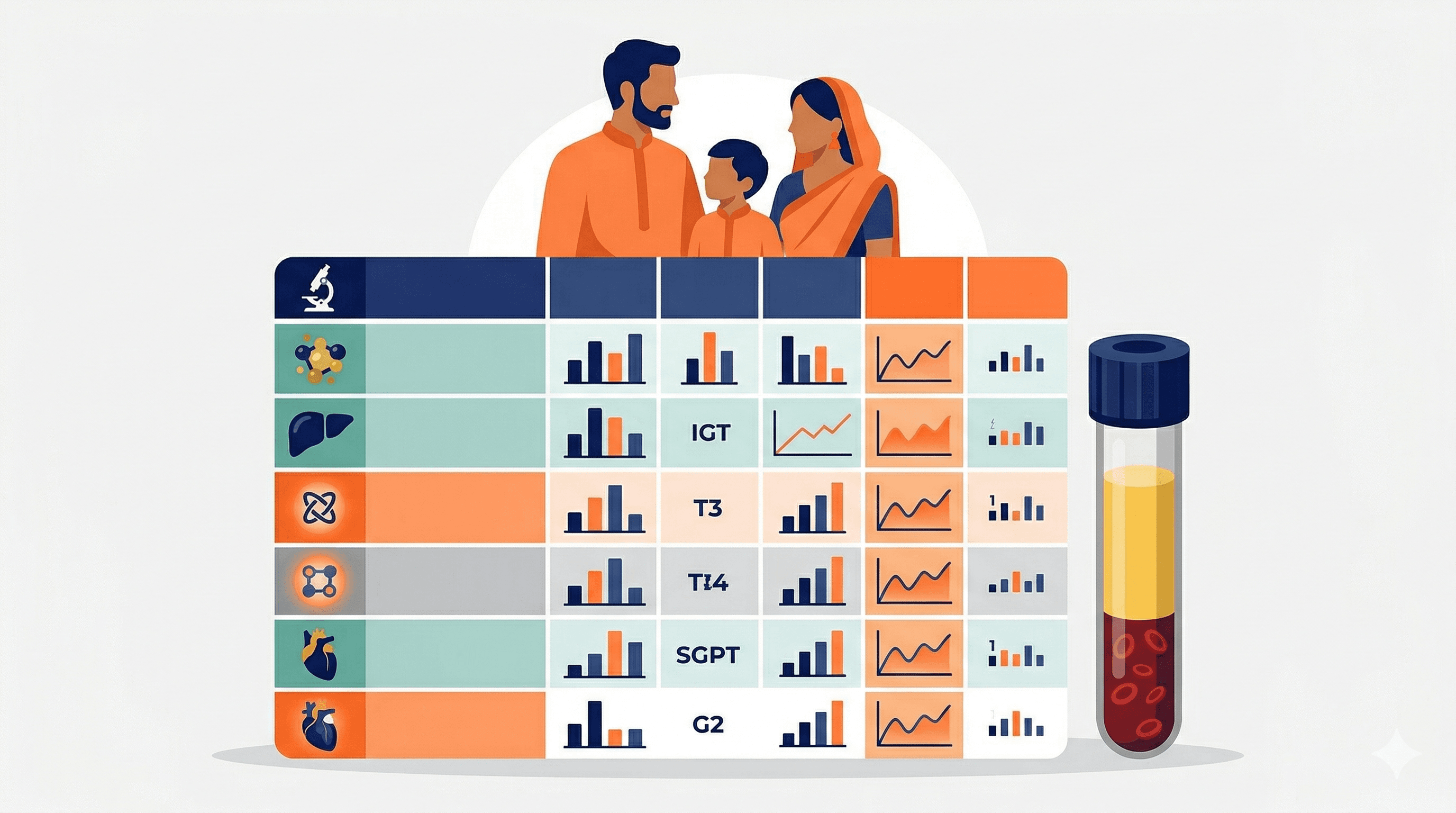
Understanding your LFT results requires knowing the normal reference ranges. These ranges may vary slightly between laboratories, but the values listed in the table below are standard for NABL-accredited labs in India.
Mild elevations (up to 3 times the upper limit) are common and may be caused by medications, fatty liver, or recent alcohol consumption. Moderate elevations (3–10 times) suggest significant liver inflammation. Severe elevations (above 10 times) indicate acute liver injury requiring urgent attention.
Albumin and total protein levels reflect the liver's synthetic function. Low albumin (below 3.5 g/dL) may indicate chronic liver disease, malnutrition, or kidney disease. The A/G ratio normally favors albumin; an inverted ratio may suggest chronic inflammation or liver cirrhosis.
Common Causes of Abnormal LFT Results
Non-alcoholic fatty liver disease (NAFLD) is the most common cause of mildly elevated liver enzymes in India, affecting an estimated 9–32% of the general population. It is strongly associated with obesity, diabetes, and metabolic syndrome.
Alcoholic liver disease, viral hepatitis (B and C), drug-induced liver injury (from paracetamol, antibiotics, and ayurvedic preparations), and autoimmune hepatitis are other major causes. Many commonly used medications including statins, anti-TB drugs, and NSAIDs can affect liver enzymes.
Importantly, a normal LFT does not guarantee a healthy liver. Early-stage cirrhosis and even some liver cancers can exist with normal enzyme levels. This is why imaging (ultrasound) is sometimes recommended alongside blood tests.
When Should You Get an LFT?
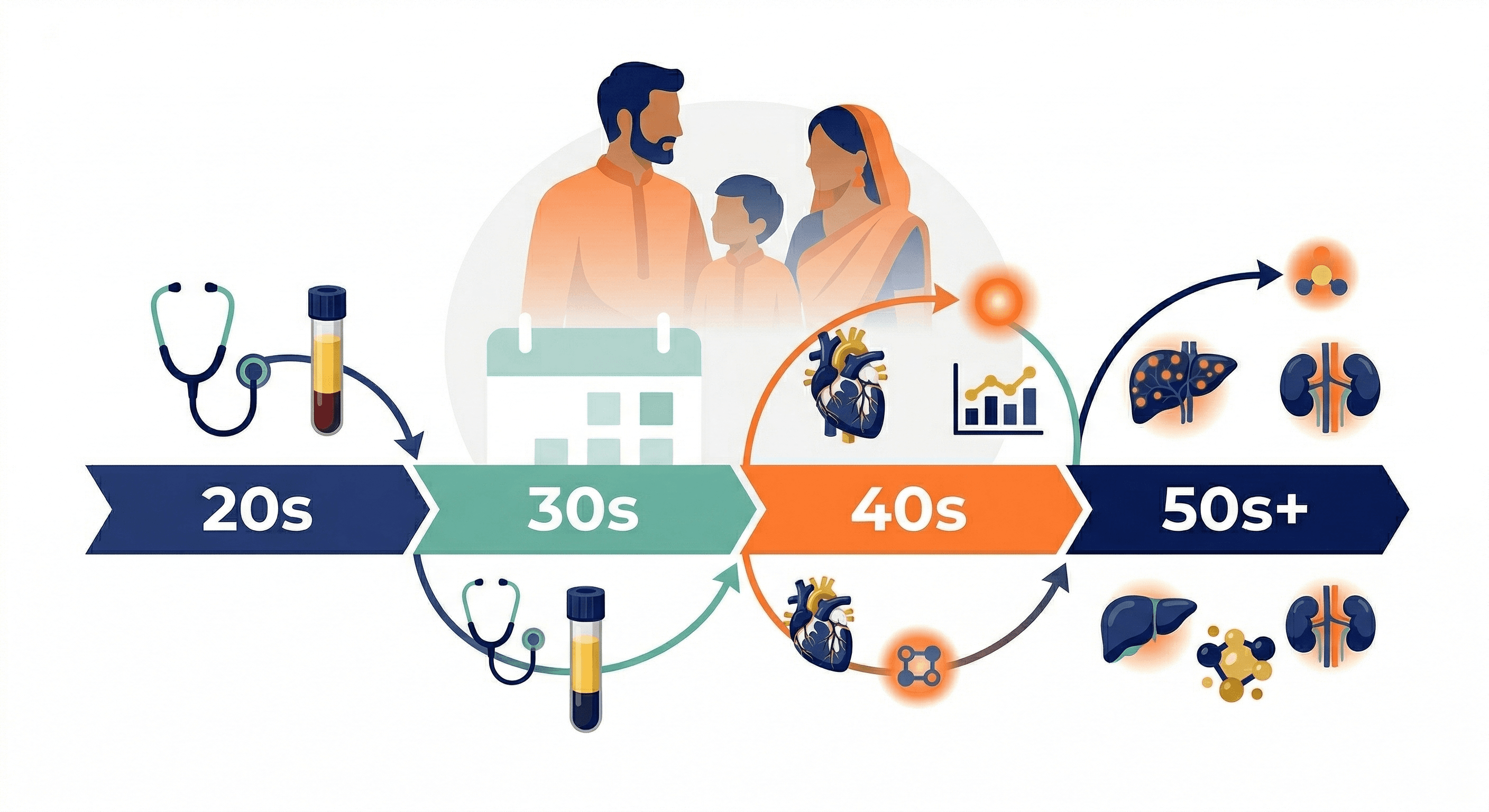
An LFT should be part of every annual health checkup. Beyond routine screening, get an LFT if you consume alcohol regularly, are overweight/obese, have diabetes or metabolic syndrome, take long-term medications, or have symptoms like jaundice, dark urine, abdominal pain, or unexplained fatigue.
Patients with known hepatitis B or C should get LFTs every 3–6 months. Anyone starting medications known to affect the liver (statins, methotrexate, anti-TB drugs) should have baseline and follow-up LFTs.
If you have a family history of liver disease or liver cancer, discuss screening frequency with your doctor. Early detection of liver problems is critical because the liver has remarkable regenerative capacity when damage is caught early.
Normal Range Reference Table
| Parameter | Normal Range | Unit | High Indicates | Low Indicates |
|---|---|---|---|---|
| SGPT (ALT) | 7–56 | U/L | Liver inflammation, hepatitis | Normal |
| SGOT (AST) | 10–40 | U/L | Liver/muscle damage | Normal |
| ALP | 44–147 | U/L | Bile duct obstruction, bone disease | Malnutrition |
| GGT | 9–48 | U/L | Alcohol use, bile duct disease | Normal |
| Total Bilirubin | 0.1–1.2 | mg/dL | Jaundice, hemolysis | Normal |
| Direct Bilirubin | 0.0–0.3 | mg/dL | Obstructive jaundice | Normal |
| Total Protein | 6.0–8.3 | g/dL | Chronic inflammation | Liver disease, malnutrition |
| Albumin | 3.5–5.5 | g/dL | Dehydration | Liver disease, kidney disease |
| Globulin | 2.0–3.5 | g/dL | Chronic infection | Immunodeficiency |
| A/G Ratio | 1.1–2.5 | ratio | Normal | Chronic liver disease |
SGPT (ALT)
SGOT (AST)
ALP
GGT
Total Bilirubin
Direct Bilirubin
Total Protein
Albumin
Globulin
A/G Ratio
Frequently Asked Questions
Is fasting required for a liver function test?
What does high SGPT mean?
Can alcohol affect LFT results?
How often should I get a liver function test?
Can fatty liver be reversed?

Truemark Health Editorial Team
Medically Reviewed by NABL-Certified Professionals
The Truemark Health Editorial Team produces evidence-based health content reviewed against current clinical guidelines, ICMR standards, and peer-reviewed research. Every article is vetted for medical accuracy before publication.
View Medical Review Board →